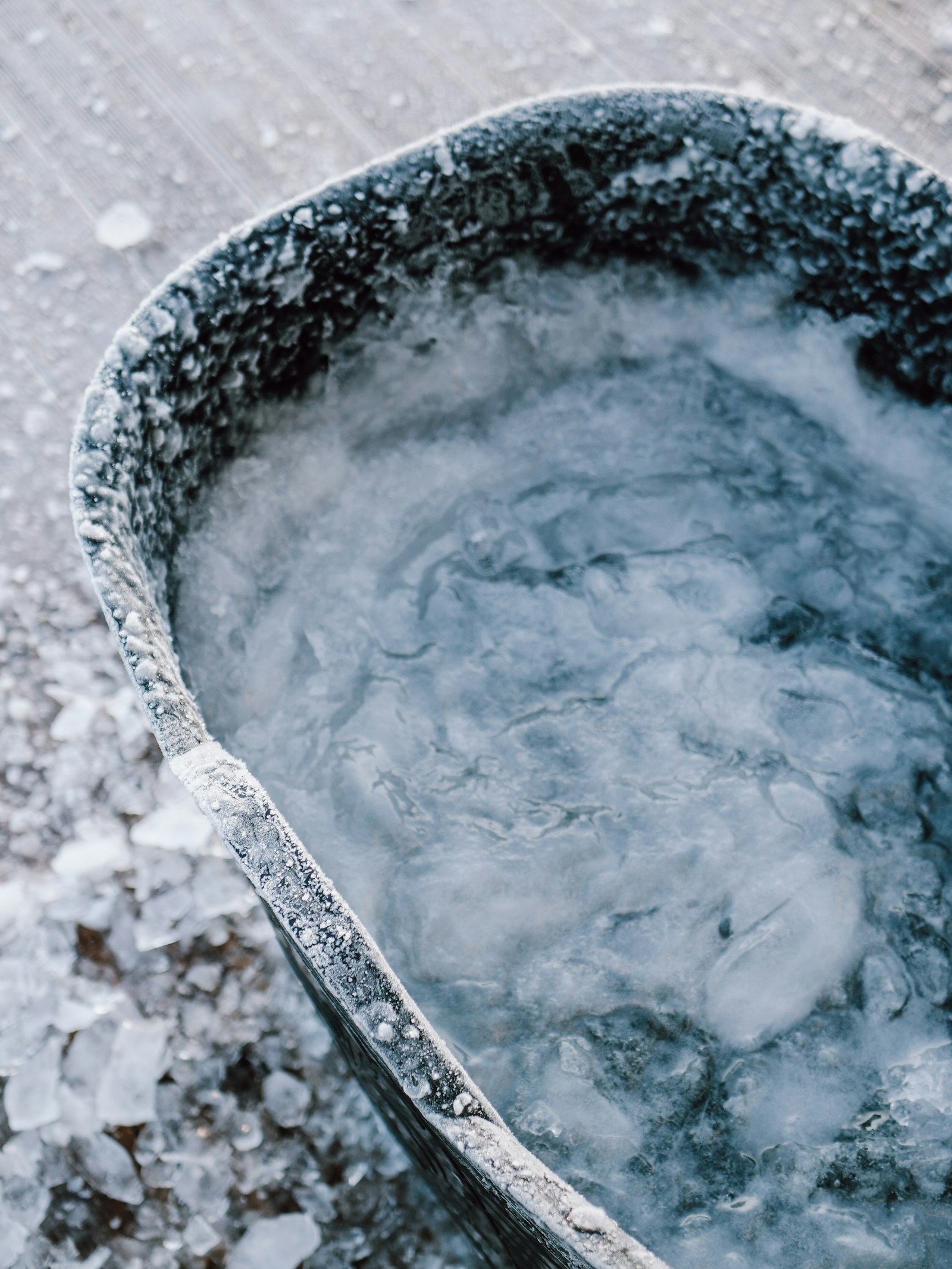
At the public bath, you often see someone standing frozen in front of the cold plunge, one foot in. Going all the way under is scary. But they're curious. Between those two states, there's a perfectly sized entry point: contrast bathing — alternating between hot water and cold. No sauna room required; it works with the bathtub and shower you already have at home. Almost disappointingly humble.
One to two minutes hot, one minute cold, a few rounds — that's it
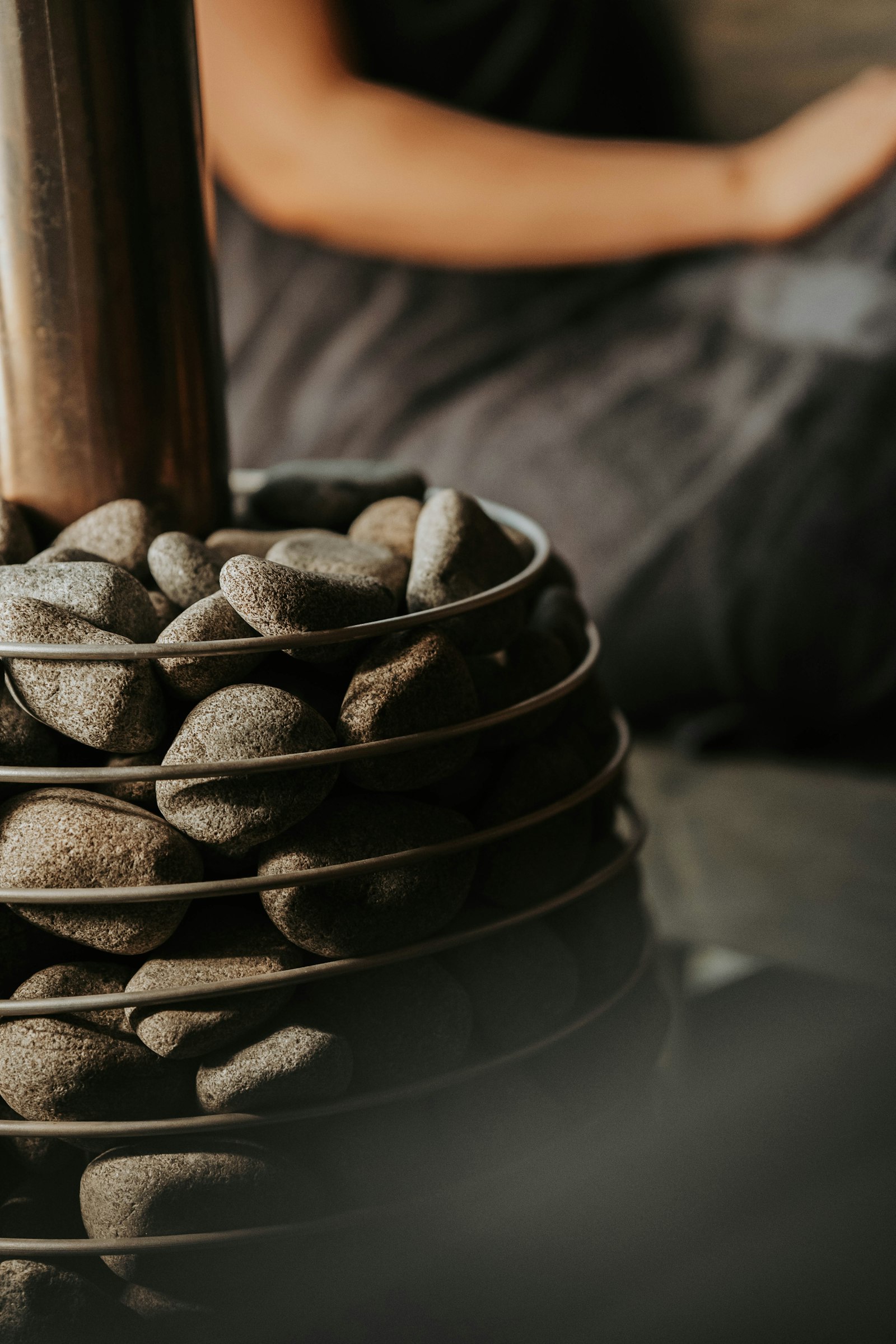
The method is simple: soak in hot water for one to two minutes, then take about one minute of cold water. Repeat for three to five rounds, and finish on the cold side or the hot side depending on how you feel that day. At athlete facilities where hot and cold tubs sit side by side at the pool deck, this has long been a standard sight. Structurally it's the same as alternating sauna and cold plunge — the hot side is simply swapped for a bathtub. Which means that even people with no sauna habit have a home-ready version waiting for them from the start.
Thirteen studies pooled together: "a real difference for muscle soreness"
In sports science, this method has been tested repeatedly under the name Contrast Water Therapy. A systematic review published in PLOS ONE in 2013 gathered the trials that met its criteria and pooled data from 13 studies. The analysis reported that, for post-exercise muscle soreness and drops in muscle strength, contrast water therapy showed a recovery advantage compared with passive rest. However, the authors also state plainly that all of the included trials carried a high risk of bias, so caution is required before calling this an all-purpose endorsement. "Looks promising — don't over-trust it": that's the fair way to read between the paper's lines.
For hard workers, the part that works is probably the ritual
Let's talk about what's outside the numbers. Half the value of contrast bathing, we suspect, works on the head rather than the body. While you shuttle between hot and cold, you can't touch your phone. Your worries can't sustain themselves. For a few minutes, your attention is forcibly captured by one thing: what is happening in my body right now. In the active rest article, we wrote that rest sticks better when it comes with something to do. Contrast bathing is the minimal unit of that idea. No equipment, no travel — you just insert one task, "the shuttle," into a habit you already have every day: the bath.
At the end of the month when sauna admission fees sting, the bath is still there every night. For people who admired sauna culture from a distance, contrast bathing has become the lowest doorstep in.
Tonight, turn the shower dial once
- After the tub, 30 seconds of cold shower — that's all. Not the whole body at once; hands and feet first is plenty
- "Hot 1–2 minutes, cold 30 seconds–1 minute," two to three rounds. Don't add rounds until you're used to it
- Afterward, drink water and dim the lights for the night. Let the end of the bath be your switch into evening mode
If you have heart or blood-pressure concerns, or you're feeling unwell, skip it. Cold water is a real load on the body. Don't push, and consult a doctor if needed.