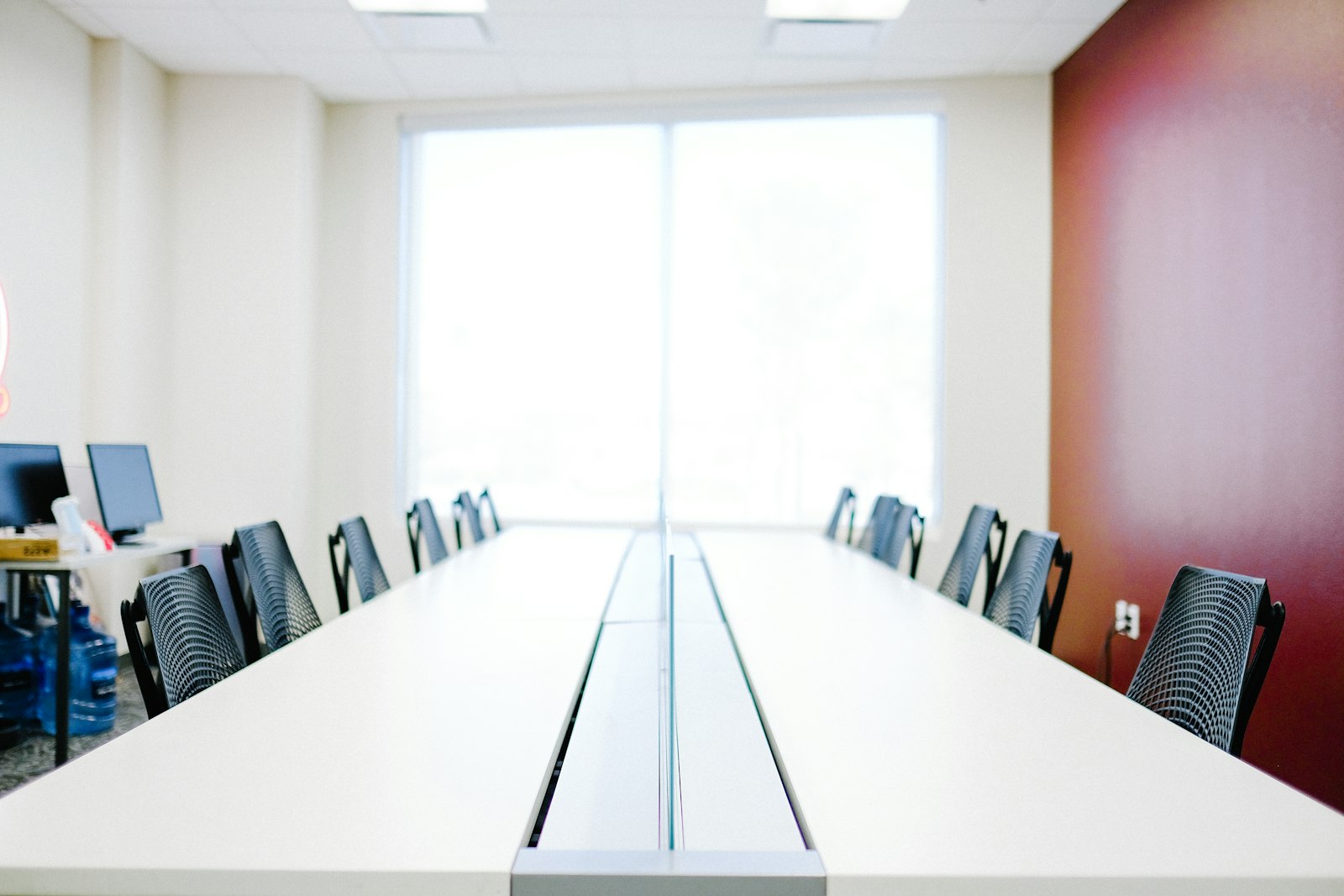
Work at a desk, travel by car, sink into the sofa at home. Look back on the day and there are days you've barely stood at all. It turns out this is the average Japanese day. In a study by a research team at the University of Sydney and colleagues comparing adults' sitting time across 20 countries, Japan reported 420 minutes — seven hours — per weekday, among the longest of any participating country. The Japan Sports Agency keeps citing that figure in its warnings about "sitting too much." We are, it turns out, one of the world's great sitting nations.
Two gym sessions a week don't cancel seven hours in a chair
The tricky part is that sitting too much has begun to be treated as a separate problem from lack of exercise. Sit for long stretches and the large muscles of the legs go idle, leaving the body's metabolism in a lowered state. And in the research world, reports have accumulated associating long sitting time itself with health risks — even in people who exercise regularly. That's the backdrop against which the Ministry of Health, Labour and Welfare's Physical Activity and Exercise Guide for Health Promotion 2023 added a dedicated section on "sedentary behavior" alongside its traditional exercise recommendations, urging people to cut down unbroken sitting and take standing breaks.
Gym-goers are the ones most likely to miss this. The satisfaction of a morning workout quietly pardons the nine hours of sitting that follow. But the ledgers are separate. Savings in the exercise column don't erase the overdraft in the sitting column.
Standing isn't exercise — that's exactly its strength
The fix is almost disappointingly plain: stand up often. That's it. Once every 30 minutes or an hour, get up — fetch a drink, take a call on your feet, read a document standing. None of it qualifies as exercise, but it does its job on a single point: breaking the streak of sitting. And we'd argue the hope lies precisely in the "not exercise" part. Exercise demands a change of clothes and a burst of resolve; standing costs zero yen, raises no sweat, and can be done mid-meeting. The bar is buried in the ground — there's no good reason not to keep it up.
Better yet, once you're standing, you walk. The "steps woven into daily life" we wrote about in the 8,000-steps article accumulate as a byproduct of how often you stand up. Fighting sitting and collecting steps are two sides of the same habit.
Three things to build into tomorrow's desk work
- Once an hour, invent an errand and stand. A drink, the trash, the bathroom. The errand is just a pretext. The number of times you stood is the day's score
- Take phone calls and audio-only meetings standing. Standing meetings are, for focus, surprisingly not bad
- After a day of sitting straight through, move lightly in the evening. The active kind of rest we covered in the active-rest primer is made for the night after a seated day
Switching abruptly to working on your feet can strain the lower back and legs. If pain appears, scale back; if it persists, see a doctor.