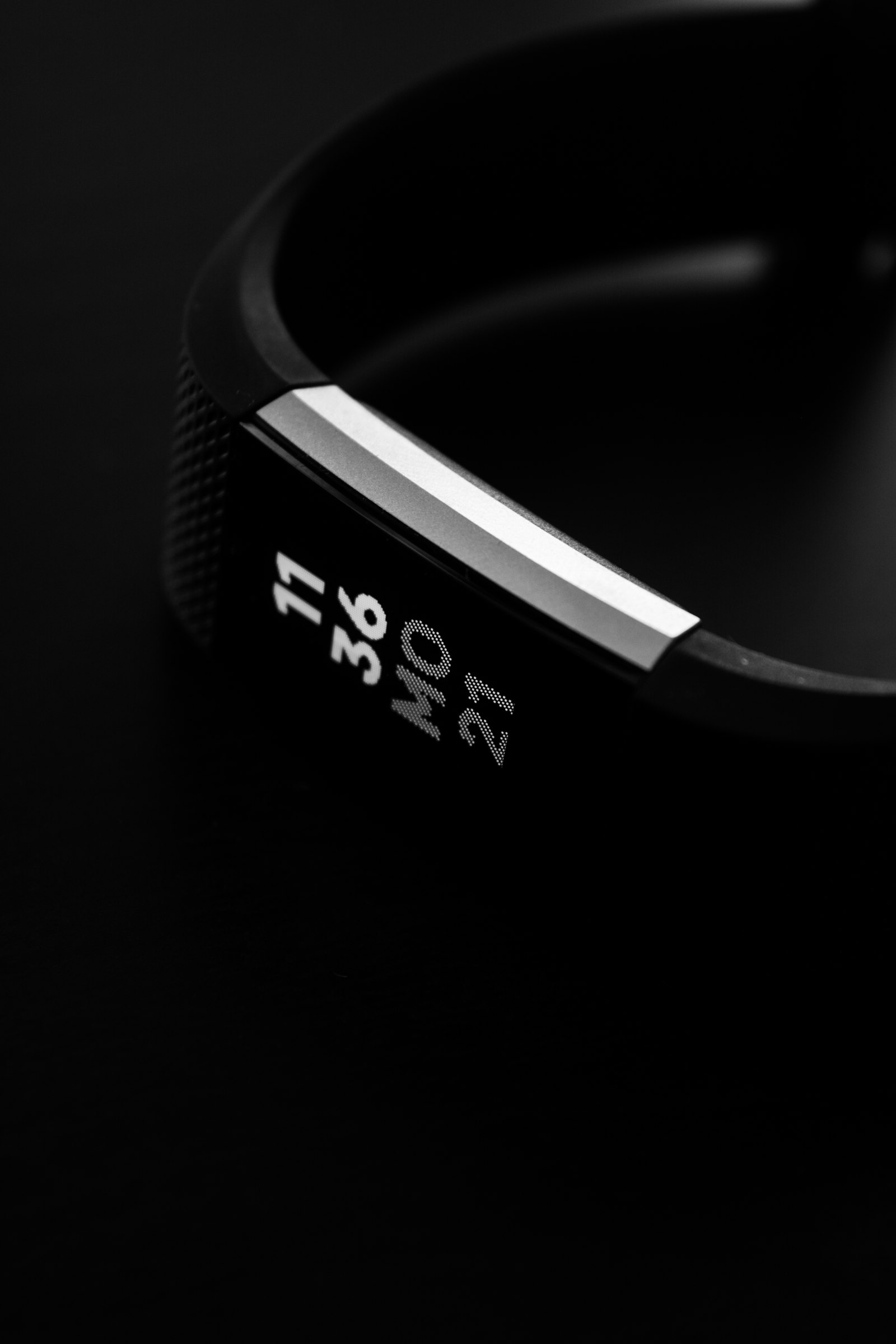
You wake up and check the score before you check how you feel. 82. Not bad. You start to feel like you slept well — wait, isn't that backwards? A few years into the era of sleep-as-numbers, the ranks of people measuring their nights with rings and watches have grown steadily. The measuring itself is genuinely interesting. But once the number and the felt sense trade places — the number leading, the body following — you're living a life graded by a gadget.
What the tracker sees is your sleep's shadow
First, the premise. Consumer wearables don't measure brain waves; they measure indirect signals like heart rate and body movement, and estimate sleep depth and stages from those. The estimates are good, but an estimate is an estimate — not a medical examination. The makers themselves describe their products in those terms. So the score isn't a report card on your sleep; it's closer to field notes on the shadow your sleep casts. A shadow tells you the rough shape of the thing, but polishing the shadow doesn't change the thing.
The other premise: Japanese nights are short to begin with. The Ministry of Health, Labour and Welfare's Sleep Guide for Health Promotion 2023 recommends at least six hours of sleep for adults, yet it has been pointed out repeatedly that Japan's sleep duration ranks among the shortest in international comparisons. Before worrying about the decimal points of a score, ask whether the raw quantity is there at all. That question comes first.
Nights graded by the number, nights that use the number
The right way to use a tracker, we'd argue, is not to fret over the score every night but to use it for trends and experiments. A week off the nightcap versus a week on. A week with a 3 p.m. caffeine cutoff versus a week without. Change one thing in your life and watch which way the trend moves. That's the tool serving the human. The reverse — seeing a low score and spending the whole day conscious of being "someone who didn't sleep" — is the human serving the tool. It can even set off the cruel loop where anxiety about sleep becomes sleep's enemy.
On mornings when the number doesn't match, you're allowed to side with your body. On a "low score but feeling great" day, the feeling is the headline.
Keep a log of your experiments and it becomes an asset. What happened the day before a low-scoring night — a late meal, late-afternoon coffee, staying up, a hotel bed on a work trip. Once you've identified your three main score-killers, the wearable's job is essentially done. From there you just keep living in a way that avoids those three; no need to show up for nightly grading. Designing the graduation into how you use it — that's a healthy relationship with a tracking gadget.
Three ways to put the tool back in its place
- Look once a week, trends only. Stop the morning score check; review the week in one sitting on the weekend. The daily noise drops out and only the correlations with your life remain
- Set your target on bedtime, not the score. Protecting the hour you go to bed moves the score more reliably than chasing the score does. Touch the cause, not the readout
- If you feel jerked around, sleep a week without it. If your nights get easier, that discovery is itself the tracker's best result
If sleeplessness persists, take it to a medical professional — not to the wearable's numbers. The tool is an entrance, not an exit.