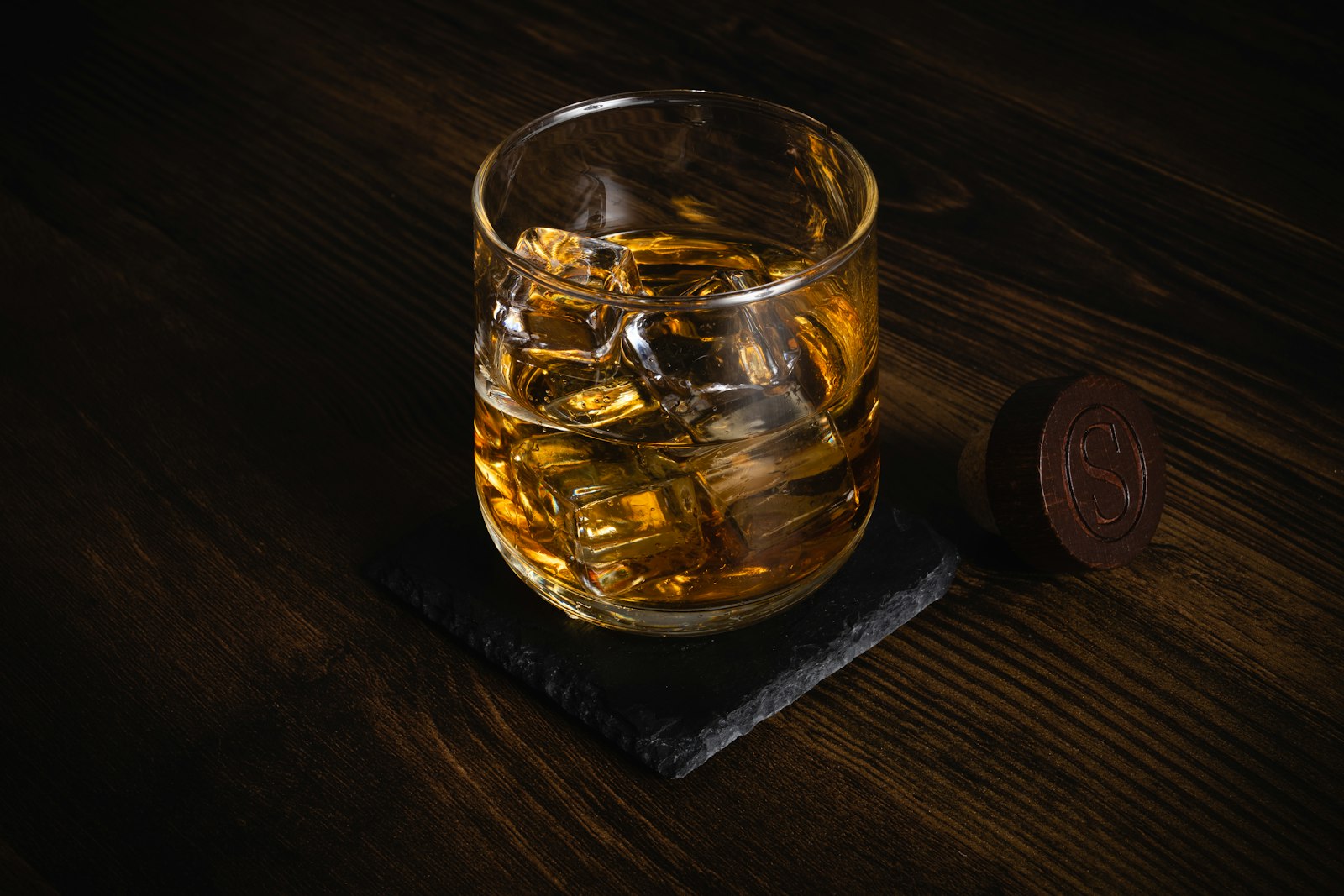
A drink on a sleepless night really does feel like it works. Your body warms, your mind loosens, and before you know it you're out. The tricky thing about the nightcap — nezake, the Japanese custom of drinking to fall asleep — is that this sensation isn't a lie. Judged by the first half of the night alone, it genuinely functions. The problem is the second half.
The first half's gains, paid back double in the second
E-Health Net, run by Japan's Ministry of Health, Labour and Welfare, states plainly in its guidance on good sleep and lifestyle habits that drinking in order to sleep is not recommended. The reason: while alcohol temporarily makes it easier to fall asleep, it reduces deep non-REM sleep and increases mid-sleep awakenings. In other words, you're buying a few minutes at the entrance by handing over the entire second half of the night. More trips to the bathroom and a greater tendency to snore also work against the back half. As we wrote in our piece on the snoring survey, you are the one person who can't notice what goes wrong in your own night. A drinking night is exactly the kind of night when that unnoticeable deterioration tends to happen.
Worse, the body gets used to the nightcap. The same drink stops putting you to sleep, and the amount creeps up — e-Health Net notes this tolerance problem too. As a "tool for sleeping," alcohol is a tool that dulls with every use.
For those who want to keep their evening drink: put distance on the clock
This is not a call for abstinence. Alcohol is culture, and in many households the evening drink works as the day's punctuation mark. What needs sorting out is the distance between drinking and sleeping. The problem with the nightcap is drinking "right before sleep, in order to sleep." The same drink, taken with dinner, at a time removed from sleep, works in the direction of shrinking its effect on the night. The commonly cited guideline is to finish drinking at least 3 hours before bed. Alcohol takes time to metabolize, and that varies widely with body weight and constitution, so this too is a line you draw by checking against your own body.
I'm someone who wakes before dawn on the nights I drink, and for a while I blamed that morning wreckage on age. Once I started suspecting alcohol as a candidate, I moved my evening drink to the dinner side. As sleep repairs go, it was the cheapest fix I've found.
Nights out have their own tricks. Many drinkers know from experience that alternating each drink with the same amount of water changes how wrecked the next morning feels, and having one ready-made line for declining the last round — "tomorrow's already started for me" — makes the pre-last-train standoff easier. And on the nights you do drink, go to bed earlier than usual, compensating with time for the second half's deterioration. Aim not for a perfect night but for a lightly wounded one — that, I think, is the realistic way a drinker keeps their sleep in order.
Three swaps to try tonight
- Move "the drink to fall asleep" to "the drink with dinner." Keep the amount the same; just move the clock time away from bed.
- Hand the bedtime drink's role to something else warm. Hot water, herbal tea, warm milk. The ritual of "closing the day with one cup" can stay.
- When sleepless nights keep coming, don't solve them with alcohol. Alcohol hides a sleep problem while making it worse. If it persists, the place to turn is not a glass but a doctor.