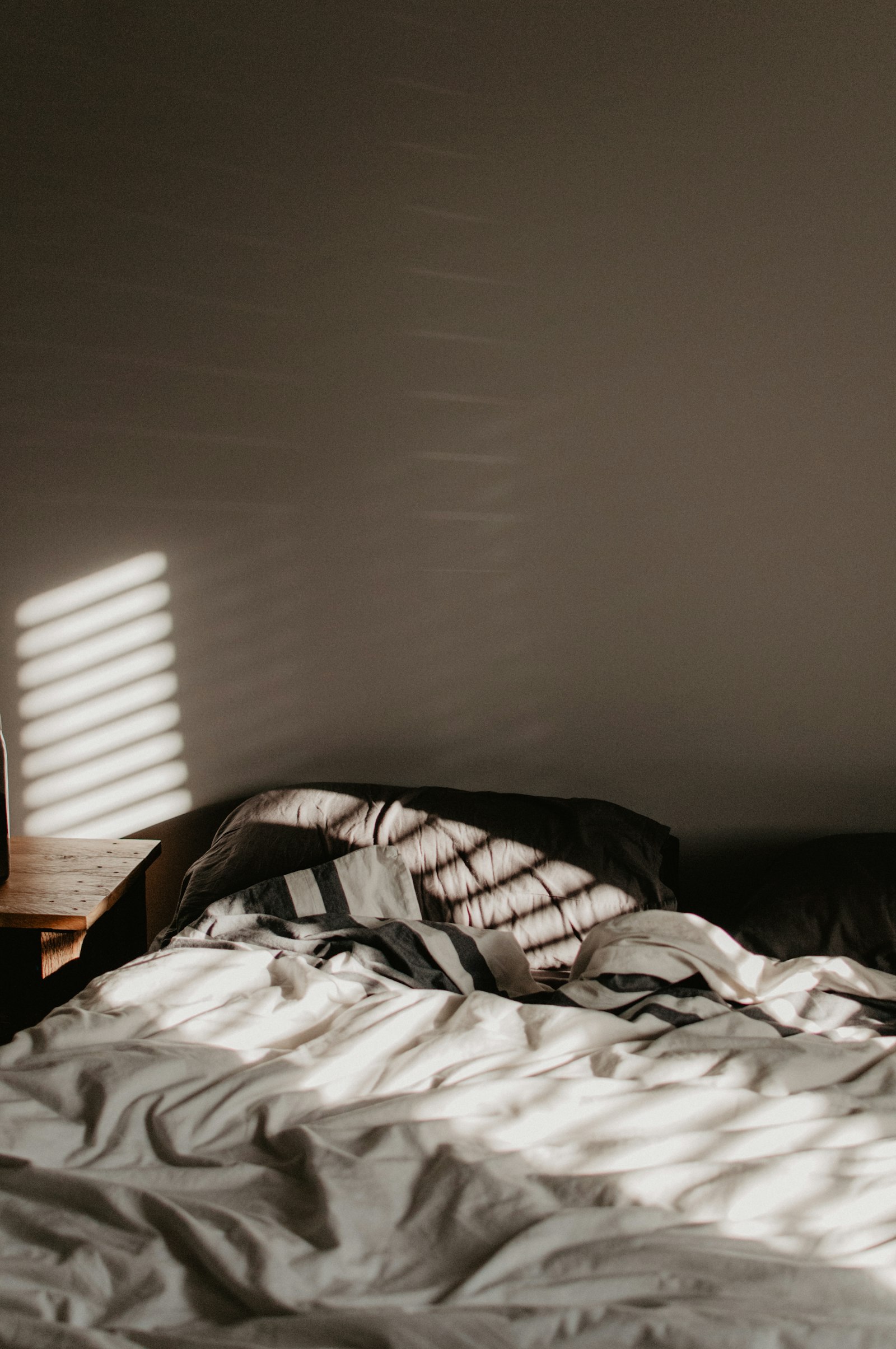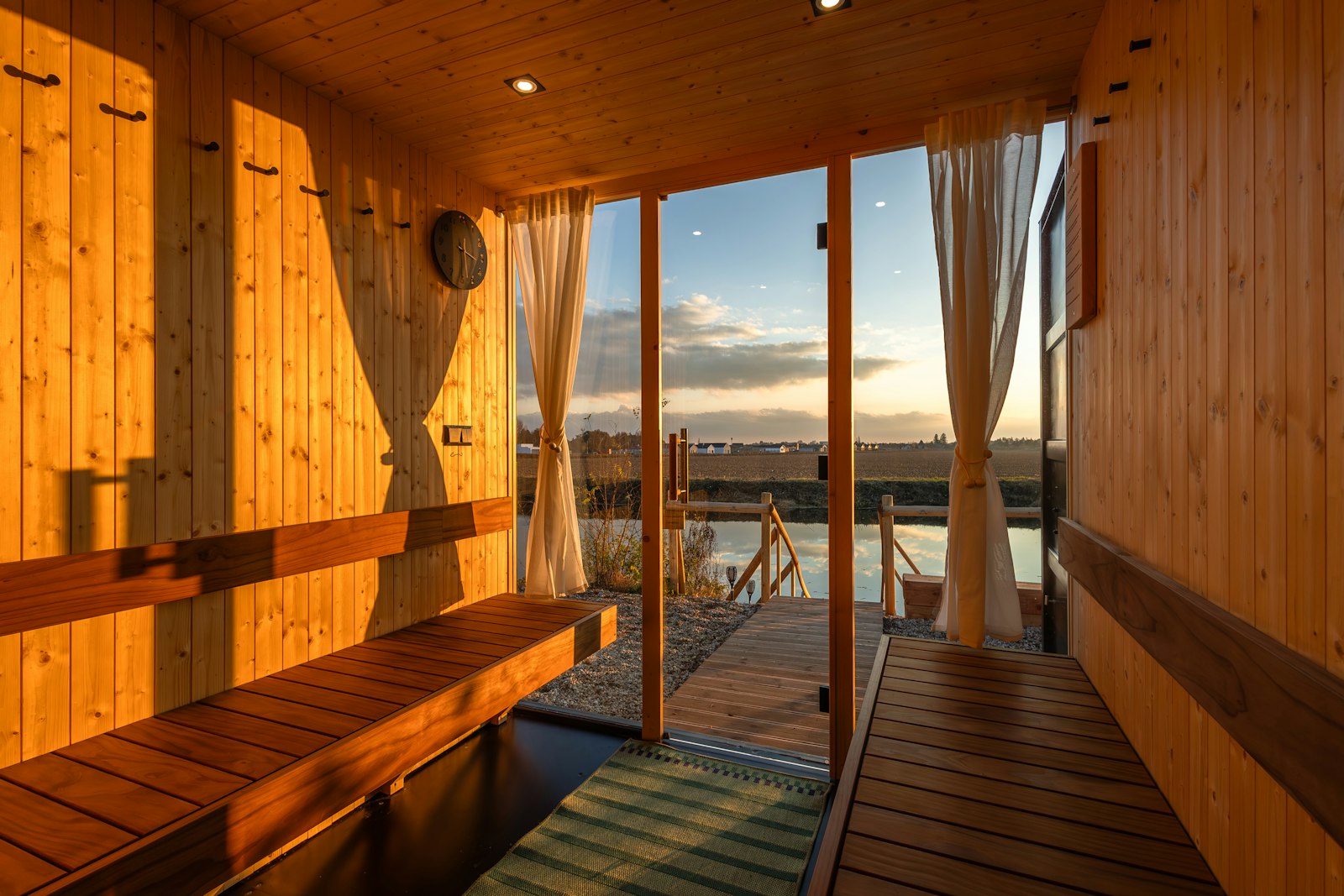
On the night of a sauna day, you fall asleep so fast you barely remember getting into bed. Every sauna lover knows that feeling — and we now live in a time when it comes with a proper explanation. The lead actor is core body temperature: the temperature deep inside the body. And once you know the mechanism, it carries over to the weeknights when you can't get to a sauna.
We get sleepy while the inside of the body is cooling down
Core body temperature — the inside, not the surface — rises and falls gently over the course of the day. At night, heading into sleep, the body releases heat through the hands and feet and core temperature falls. The steeper this "downhill," the more easily we are said to fall asleep. And here is the operation that exploits it: deliberately warming up first. Raise your core temperature in the bath, and the body ramps up heat dissipation to shed the surplus — with the result that the downhill gets steeper. In 2019, a research team at the University of Texas and elsewhere reported, in an analysis pooling past studies, that warming the body with a bath or shower at around 40°C one to two hours before bedtime shortened the time it took to fall asleep.
A sauna, you could say, is the boldest possible version of "warm up once." Push core temperature up in 90°C heat, then put momentum into the dissipation with the cold plunge and the open-air rest. That ferocious nighttime sleepiness is the result of making the downhill artificially steep — read it that way, and the felt experience and the theory line up.
Going straight to sleep after the sauna is actually a waste
But the timetable needs care. Since the downhill is the lead actor, getting into bed while your temperature is still up means the slope hasn't started yet. The Ministry of Health, Labour and Welfare's "Sleep Guide for Health Promotion 2023," in its discussion of lifestyle and sleep, likewise touches on finishing your bath one to two hours before bed rather than immediately before. Instead of crashing straight from the sauna into sleep, get home, drink some water, dim the lights, and spend about an hour before bed. That hour of margin is the trick that keeps the slope you worked to build from going to waste.
The editorial team's view is that there is an interesting paradox of sauna culture here. The main event of a sauna is not inside the facility — it is the few hours after you walk out. Products that take aim at "post-sauna sleep," like Brain Sleep's sauna pillow project, keep appearing precisely because everyone dimly senses this.
On nights without a sauna, build the slope in the bath
- Count back from your target bedtime and finish the bath 1-2 hours before it. Around 40°C for 10-15 minutes is the guide.
- Spend the hour after the bath with the lights low. Think of it as the run-up while the slope starts to descend.
- On sauna days, don't sleep the moment you get home — put water and a margin in between. Aim the peak of your sleepiness at the bed.
Hot baths and saunas put a real load on the body. If you have any health concerns, don't push it — consult a doctor before trying.