August is nearly over, and the nights still won't cool down. Turn the air conditioner off before sleep, or leave it running? This household argument replays every year around this time — and there is actually official guidance to settle it. Meanwhile, the "28°C" figure so many households swear by is circulating half-misunderstood.
That 28°C was never about the thermostat setting
The 28°C you hear as the summer benchmark originally spread as a guideline for room temperature during cooling — not an instruction to set your air conditioner to 28. Depending on sun exposure, insulation, and the outside temperature, a room set to 28°C can easily exceed 30°C in actual room temperature. What you should be reading is the thermometer in the room, not the number on the remote.
So what's the right temperature for sleep? The "Sleep Guide for Health Promotion 2023" from Japan's Ministry of Health, Labour and Welfare lays out that for the bedroom environment, it is desirable to keep room temperature roughly within the range of 13 to 29°C. Put the other way around, sleeping without air conditioning on a tropical night — in Japan, a night when the temperature never drops below 25°C — means pinning yourself to the top of that range, or exceeding it. Toughing it out isn't a virtue; it's simply a choice to cut into your sleep.
"Turning it off" is the most expensive option
The hesitation about running the AC until morning comes from the electricity bill and the folk wisdom that "it leaves you sluggish." Most of that sluggishness comes from cold air blowing directly on your body for hours, and from setting the temperature too low. If so, the answer is not "turn it off" but "keep it on until morning, at a moderate temperature, aimed away from you." Running it on a timer means the moment it cuts out, the room heats up, you sweat, and you wake in the night — climbing back up, in the middle of the night, the "downhill slope" of core body temperature we wrote about in our piece on deep body temperature. Being cool at bedtime doesn't protect the second half of the night.
Japanese summer nights are no longer an opponent you beat with grit. On dangerously hot nights, not switching off the air conditioner is now a matter of safety as much as of sleep. It's worth pausing to think clearly about what, exactly, is on the other side of the scale from the electricity bill.
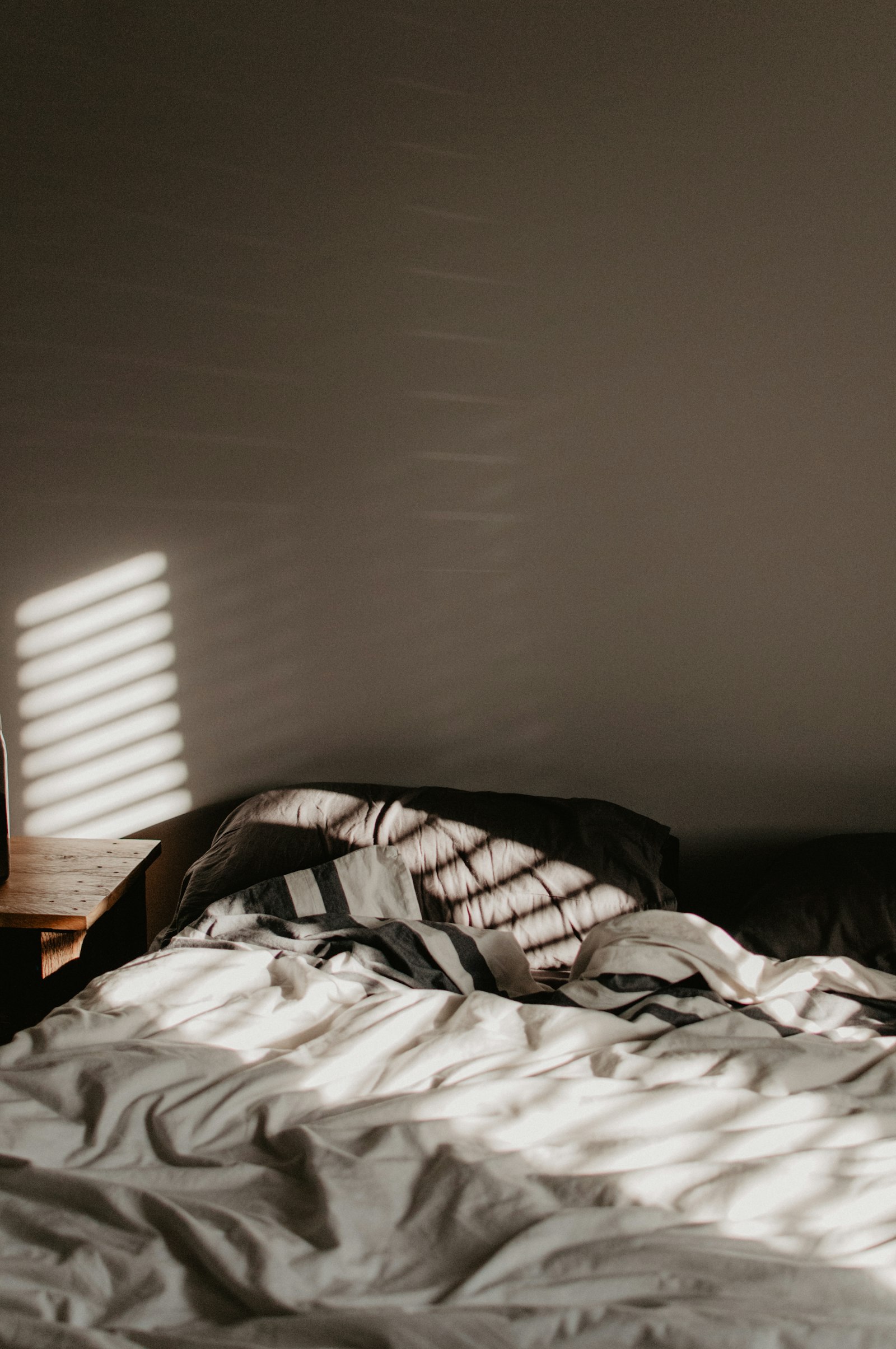
One of you runs hot, the other runs cold, and the remote control changes hands every night — plenty of bedrooms know this little dispute. The terms of the peace treaty are simple: start by letting whoever runs hot set the temperature. The cold sleeper can put on long sleeves and add a blanket, but once the hot sleeper is out of pajamas to shed, there is no next move. Adding layers is unlimited; removing them is not. So set the room to the cooler preference, and let the cold sleeper dress for it. With that, could your bedroom sign its peace treaty tonight?
Tonight's settings, three practical moves
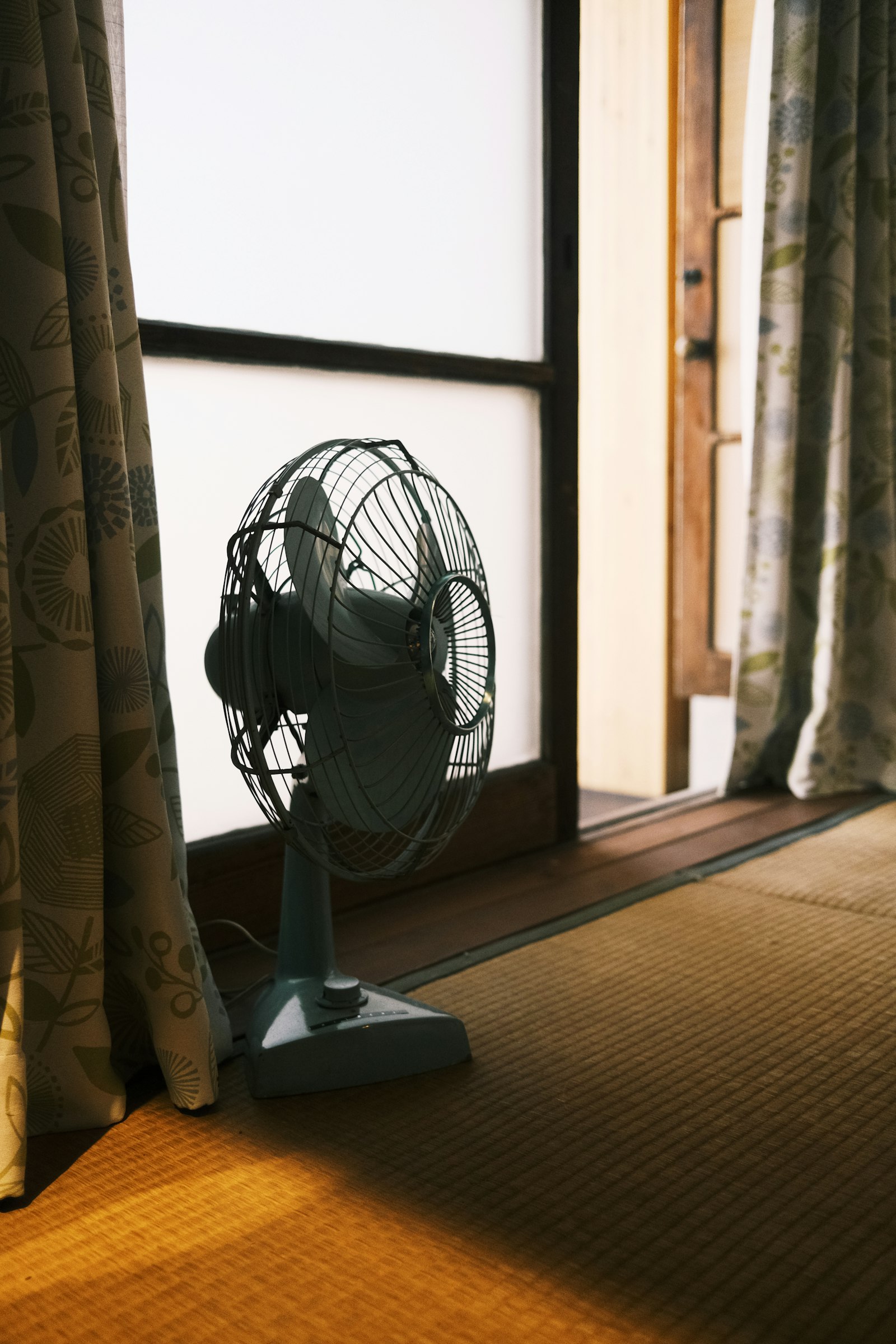
- Aim the airflow at the ceiling, never directly at your body. Let the air circulate along walls and ceiling to cool the whole room. If you add a fan, point it at a wall.
- Go by the thermometer, not the setting — aim for around 26 to 28°C. The number is only a guide. Sluggish in the morning? Raise it 1°C. Too hot to sleep? Lower it 1°C. Find your own temperature.
- Bring the humidity down. At the same temperature, high humidity keeps sweat from evaporating and makes you feel hotter. Use dry mode, or run the cooling hard for an hour before bed to pull the moisture out — then the overnight setting can stay modest.
If you're sensitive to cold, adjust in the direction of "cooler room, covered body" with blankets and long sleeves. If you have health concerns, don't push it.